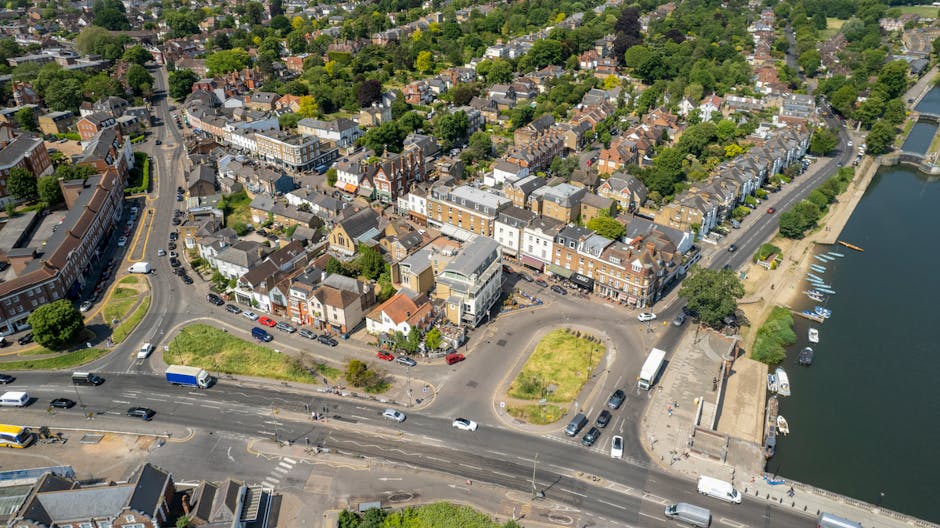
Office removals Wimbledon town centre business guide

If you are planning an office move in Wimbledon town centre, you already know it is not just about boxes and a lorry. It is about keeping the phones on, protecting equipment, handling staff disruption, and getting everyone back to work without the whole week turning into a scramble. This Office removals Wimbledon town centre business guide brings the practical side into focus: what the process looks like, how to prepare properly, and where businesses usually get caught out. Truth be told, the smoothest moves are rarely the flashiest ones. They are the ones that are planned early, handled calmly, and reviewed twice.
Wimbledon town centre adds its own quirks too. Busy roads, tight access, customer footfall, shared entrances, loading timing, and the usual London pressure around schedules all matter. So let's break it down in a way that is useful, realistic, and easy to act on.
Quick take: good office removals are less about brute force and more about sequencing. Inventory first, access next, packing after that, and only then the physical move. Get that order right and everything feels far less chaotic.
- Why this guide matters
- How office removals work in Wimbledon town centre
- Key benefits and practical advantages
- Who this is for and when it makes sense
- Step-by-step guidance
- Expert tips for better results
- Common mistakes to avoid
- Tools, resources and recommendations
- Law, compliance, standards and best practice
- Options, methods and comparison
- Case study or real-world example
- Practical checklist
- Conclusion
- Frequently asked questions
Why Office removals Wimbledon town centre business guide Matters
An office move can quietly affect almost every part of a business. Staff productivity dips, client calls get missed, Wi-Fi and telephones may be offline for a window, and even a small delay can ripple through the day. In Wimbledon town centre, where access can be a bit tighter and timing matters more than people expect, a poorly planned move becomes expensive very quickly.
This is why a proper office removals plan is not a luxury. It is business continuity. For a small firm, that might mean keeping a two-person operation running with minimal interruption. For a larger team, it may mean scheduling departments in phases so no one is left hunting for a monitor or sitting under a desk lamp wondering where the network switch went. We've all seen that scene, and no one enjoys it.
The guide also matters because office relocation has more moving parts than a standard home move. Furniture disassembly, IT equipment, filing systems, confidential papers, reception layouts, keys, access cards, parking permissions, and landlord coordination all need attention. Miss one piece and the rest can wobble.
For Wimbledon businesses, local knowledge helps too. A mover who understands town-centre timing, building access rules, and the pace of central London streets can save you a lot of friction. Not dramatic, not glamorous, just quietly effective. And that is usually what you want.
How Office removals Wimbledon town centre business guide Works
At its simplest, office removals are a structured transition from one working space to another. In practice, there are several stages: planning, packing, disconnection, transport, delivery, setup, and post-move checks. The process works best when each stage is clearly owned by someone, even if that someone is just one very organised office manager with a clipboard and a determined look.
Most business moves begin with a survey or detailed discussion. This is where the mover assesses access, floor levels, lifts, parking, timings, inventory size, fragile items, and any special handling needs. If the office contains IT kit, archive boxes, reception furniture, shelving, or heavy items such as safes or cabinets, that should be identified early. It sounds obvious. It still gets missed.
Then comes the move plan. This should cover:
- what is moving and what is staying
- who packs what
- how items are labelled
- where vehicles can load and unload
- which rooms or zones are priority areas on arrival
- who signs off at both ends
On moving day, the team typically clears non-essential items first, then furniture, then boxed items, with fragile or business-critical equipment handled separately. If there is IT disconnection involved, that often needs to happen in a carefully timed order. You do not want someone pulling a cable out of the wrong desk just because it looked free. That little mistake can become a long afternoon.
Delivery is only half the job. Reassembly, positioning, and basic setup matter just as much. A good office move leaves you able to work the next day, not spend three hours wondering where the meeting room table has gone.
Key Benefits and Practical Advantages
There are several reasons businesses choose a professional office removal service rather than trying to manage the whole thing in-house. The obvious one is reduced stress, but there is more to it than that.
1. Less downtime
When a move is organised properly, operations restart sooner. That is especially useful for client-facing businesses in Wimbledon town centre where lost time can quickly become lost revenue or awkward delays.
2. Better protection for equipment
Desks, screens, printers, chairs, servers, and archive materials all need different handling. Experienced teams know how to secure items so they arrive intact and where possible, in the same condition they left.
3. More predictable scheduling
Town-centre moves often depend on access windows, parking arrangements, lift bookings, and building rules. A professional approach reduces the chances of last-minute disruption.
4. Safer lifting and handling
Heavy furniture and awkward items create avoidable injury risks. Proper moving methods, trolleys, protective materials, and trained handling make a difference. It is the kind of thing people only appreciate when they have tried moving a tall filing cabinet themselves. Not fun.
5. Better organisation after arrival
Labelling systems, priority unloading, and room-by-room placement mean your team can settle in faster. That matters more than people think. If staff arrive to a room full of anonymous boxes, momentum drops fast.
6. Fewer hidden problems
Moves reveal all sorts of small issues: missing keys, incompatible furniture, overfilled storage, unclear floor plans, and old kit no one wants anymore. A structured office removals process gives you time to deal with those before they become urgent.
Who This Is For and When It Makes Sense
This kind of move is relevant to a wide range of businesses, not just large corporate offices. In Wimbledon town centre, it often suits:
- small professional practices moving within the area
- start-ups upgrading from a shared space to a private office
- retail or customer-service businesses with back-office functions
- agencies, consultancies, and design studios with equipment and files
- growing teams needing more desks, storage, or meeting space
- organisations consolidating multiple sites into one location
It also makes sense when your current workspace no longer fits how you work. Maybe you are adding staff, reshaping hybrid working, or simply tired of squeezing through a corridor with boxes stacked everywhere. Been there, or at least many teams have.
Sometimes the move is prompted by a lease ending. Sometimes it is about image. A better location, a more practical layout, easier access for clients, or a building with modern facilities can all justify the change. The point is not only moving stuff. The point is improving the way the business functions once the dust settles.
If your office has specialist items, confidential documents, or a strict timetable for reopening, the move should be treated as a managed project rather than a simple haul-and-drop exercise. That mindset alone can save a lot of grief.
Step-by-Step Guidance
Here is a practical way to approach an office move in Wimbledon town centre without losing the plot halfway through.
- Set the move objective. Decide whether the move is a straight relocation, a downsizing exercise, or a full reconfiguration. The goal changes the plan.
- Assign a move lead. One person should coordinate decisions, approvals, and communication. Too many cooks, as they say, and the inventory goes muddy.
- Audit everything. Make a clear list of furniture, IT equipment, storage, artwork, signage, and fragile items. Separate what moves from what is being discarded.
- Check access early. Look at lifts, stairs, loading points, entrance widths, parking, and any building restrictions. In town centres, access can make or break the schedule.
- Plan packing by function. Pack by department, desk cluster, or project team rather than by random box filling. That helps people find what they need later.
- Label with detail. Room, department, priority level, and contents should all be visible. A box marked "files" is not enough if there are six file boxes.
- Protect IT and sensitive items. Separate key devices and back up data before anything is disconnected. If a device matters to business continuity, treat it that way.
- Schedule the move around business hours. Many offices choose a weekend or after-hours window to reduce disruption. That is often the calmest route, though not always the cheapest.
- Prepare the new space. Clean, clear, and confirm floor plans before arrival. It is much easier to place items correctly if the space is ready.
- Do a post-move check. Test equipment, verify furniture placement, confirm missing items, and keep a short issues list for follow-up.
A good move feels almost boring on the day itself. That is a compliment. If everything runs smoothly enough that nobody is panicking over a lost keyboard tray, the planning worked.
Expert Tips for Better Results
If you want the move to feel controlled rather than reactive, these are the details worth sweating.
Start with the awkward items. Oversized desks, server cabinets, heavy cabinets, or awkward reception pieces often determine the rest of the move. Deal with them early in the planning stage, not on the morning of the relocation.
Keep a simple room map. A sketch is often enough. Label the new space so the movers know where items go. You will notice the difference immediately when the first boxes arrive and nobody needs to ask where the printer is meant to live.
Use a colour code if you can. Red for reception, blue for finance, green for meeting rooms. It is not fancy, but it works. Sometimes the old simple methods are the best ones.
Back up before unplugging. Especially for small businesses, the temptation is to assume everything will be fine. Usually it is. Usually. But a backup takes minutes and can spare hours of trouble.
Do not underestimate dismantling. Flat-pack-style furniture is one thing. Built-in office systems or complex desks are another. If it needs taking apart, make sure reassembly is planned too.
Keep the essentials separate. Chargers, keys, signage tools, first-day stationery, access cards, Wi-Fi credentials, and a kettle if the new place has not sorted kitchen stock yet. Small things, big mood boost.
Think about the first 24 hours. What must work immediately? Phones, internet, customer-facing areas, and basic workstation setups usually come first. Anything else can often wait a day.
Leave room for one surprise. There is usually at least one. A missing desk foot, a stubborn cabinet, or a lift booking that needs tweaking. That is just moving life. Build a little slack into the plan and the whole thing feels less brittle.
Common Mistakes to Avoid
Most office move problems are avoidable. The tricky bit is spotting them before they turn up wearing a high-vis vest and asking awkward questions.
- Leaving planning too late. Office removals need lead time. The more moving parts you have, the more early coordination matters.
- Not measuring access properly. A desk that fits on paper may not fit around a corner, in a lift, or through a narrow hallway.
- Failing to label properly. If boxes are vague, unpacking becomes slow and frustrating.
- Mixing disposal with relocation. What is being thrown away, recycled, sold, or kept should be clearly separated.
- Ignoring staff communication. People need to know what is expected of them. Otherwise they improvise, and that usually creates extra work.
- Forgetting building rules. Reception requirements, parking restrictions, lift windows, and noise limits can all affect the move.
- Assuming IT will "just work". It often does not just work. Testing is essential.
One of the most common pain points is underestimating how long the tidy-up takes. The move itself might go well. Then comes the half-day of finding labels, reconnecting screens, and discovering someone's favourite chair has ended up in the wrong office. Not catastrophic, just annoying enough to sting.
Tools, Resources and Recommendations
You do not need a warehouse of special kit to manage an office move well, but a few tools and habits make life easier.
- Inventory sheet: helps track what is moving, what is staying, and what is being disposed of.
- Label printer or clear label system: useful for room names, departments, and priority items.
- Basic floor plan: even a hand-drawn map can prevent confusion at the new site.
- Document boxes or archive crates: better for files than loose bags or mismatched cartons.
- Protective materials: blankets, wraps, covers, and tape for furniture and sensitive equipment.
- Team checklist: makes it easier to assign tasks and confirm completion.
For businesses wanting a broader moving service, it can help to look at related pages on the same site, such as office relocation services, commercial moves, and packing and unpacking services. If you are comparing support levels or need a fuller view of moving options, those pages can give you a more complete picture.
If your move includes furniture handover or surplus pieces, the site's furniture pick up and recycling and sustainability pages may also be helpful. They are especially useful if you want to clear out old items without turning the relocation into a clutter shuffle.
Law, Compliance, Standards, or Best Practice
An office move is not usually complicated from a legal standpoint, but there are still duties and best practices worth taking seriously. Businesses are expected to manage health and safety sensibly, protect workers and visitors, and handle equipment and information responsibly. In plain English: do not wing it.
Some of the main considerations include:
- Health and safety: lifting, handling, access routes, trip hazards, and safe working conditions should be managed properly.
- Insurance: check what cover applies to goods in transit, handling, and any accidental damage during the move.
- Data and confidentiality: files, devices, and sensitive documents should be packed and transported with care.
- Building rules: landlords or managing agents may have booking, access, and movement requirements.
- Waste handling: unwanted items should be disposed of responsibly, especially if they include electronics or confidential paper records.
It is smart to review the mover's own policies too. On this website, the health and safety policy, insurance and safety, terms and conditions, and privacy policy can help you understand how the business handles responsibilities and customer information. If you are the person signing things off, that transparency matters more than people admit.
Best practice usually means documenting the move, confirming responsibilities, and keeping communication clear. Simple, yes. But simple is often what saves the day.
Options, Methods, or Comparison Table
Not every business needs the same level of moving support. Some want a light-touch transport service. Others need end-to-end help with packing, dismantling, and setup. Choosing the right method depends on budget, staff availability, and how much disruption you can tolerate.
| Approach | Best for | Pros | Trade-offs |
|---|---|---|---|
| DIY office move | Very small teams with light equipment | Lower direct cost, more control | Higher staff burden, more risk, slower setup |
| Transport-only support | Businesses that can pack themselves | Useful middle ground, less manual strain | Still requires strong internal planning |
| Full-service office removals | Busy offices, tight schedules, larger moves | Less disruption, better coordination, faster restart | Usually costs more than basic transport |
| Phased move | Teams that need to stay partially operational | Reduces downtime, easier staff transition | Longer overall project duration |
For most Wimbledon town centre businesses, a phased or full-service approach is often the most practical. The more staff, equipment, and customer commitments you have, the more sense it makes to trade a bit of cost for a lot of calm.
Case Study or Real-World Example
Here is a realistic example. A small professional office near Wimbledon town centre needed to move to a larger suite after taking on extra staff. The team had desks, monitors, a printer room, client files, and a few pieces of awkward furniture they had somehow accumulated over years of "we might need this one day". Classic office behaviour.
Rather than moving everything in one rush, the business sorted items into three groups: essential, secondary, and disposable. The essential group included computers, phones, and the main client files. Secondary items were moved after the core workspace was set up. Disposable items were separated for recycling or collection before moving day.
The move itself was scheduled outside peak business hours so staff could return to work the next morning with less disruption. The new office had already been mapped, so furniture landed in the right rooms first time. There was still a brief moment of confusion over one meeting table-there always is-but it was resolved quickly because labels were clear and responsibilities were assigned.
The biggest lesson from the move was not dramatic at all: preparation beat speed. The team did not try to be heroes on the day. They just planned properly, kept the process simple, and avoided the usual rush. That is often the real trick.
Practical Checklist
Use this checklist to keep the move on track. It is not fancy, but it works.
- Confirm the move date and timeline
- Assign one person to coordinate decisions
- Prepare a full inventory of items to move
- Separate keep, recycle, donate, and dispose items
- Check access, parking, lifts, and loading restrictions
- Plan the layout of the new office
- Back up data before disconnecting equipment
- Label boxes by room, department, and priority
- Protect fragile and confidential items
- Confirm insurance, safety, and building requirements
- Arrange IT and internet setup in advance
- Test equipment after delivery
- Keep essential documents and tools separate
- Do a final walk-through at both sites
If you can tick all of that off, the move is already in much better shape than most. And if one or two items still need attention, that is fine. Real moves are rarely perfect. They just need to be controlled.
Conclusion
An office relocation in Wimbledon town centre can be straightforward if you treat it like a business project rather than a lifting job. Plan early, label properly, keep communication tight, and make sure access, safety, and setup are all considered before the first box moves. That approach reduces downtime, protects equipment, and helps everyone settle in with less friction.
In the end, the best moves are the ones that let your team get back to work quickly and calmly. No drama, no missing parts, no last-minute chaos near the lift. Just a sensible transition into a better space. And honestly, that is what most businesses want.
Get a free quote today and see how much you can save.
Frequently Asked Questions
What is included in an office removals service in Wimbledon town centre?
It usually includes planning, loading, transport, unloading, and sometimes dismantling or reassembly of furniture. Some services also cover packing, unpacking, and help with larger commercial items. Always check exactly what is included so there are no surprises on the day.
How far in advance should I book an office move?
As early as you reasonably can. For a small office, a few weeks may be enough if the move is simple. For a larger or more complex relocation, more lead time is better. Town-centre access and timing can make planning feel tighter than expected.
How do I reduce downtime during an office move?
Move outside core working hours if possible, keep key equipment separate, and use a clear packing and labelling system. A phased move can also help if you need part of the business to keep operating while the relocation happens.
Can office removals handle IT equipment and confidential files?
Yes, but they should be handled carefully. Back up data, label devices clearly, and separate sensitive files so they are not lost among general boxes. Confidential material should always be packed and transported with care.
What makes Wimbledon town centre office moves different?
Access, timing, and local traffic patterns can be more demanding in town centres. That means loading arrangements, parking, and building rules matter more than they might in a less busy location.
Is it better to move everything in one day or in stages?
It depends on the size of the business and how much interruption you can tolerate. Smaller offices may manage a single-day move, while larger teams often benefit from a phased approach. Staging the move can make the transition calmer and less risky.
How should we label boxes for an office relocation?
Use clear labels showing the room, department, contents, and priority level. That makes unpacking faster and reduces the chance of items ending up in the wrong place. A simple colour code can help too.
What should I do with old office furniture during the move?
Decide early whether it is being kept, recycled, donated, or removed. Leaving that decision until moving day creates clutter and slows everything down. If you have surplus items, it helps to arrange their removal separately.
Do office removals include furniture dismantling?
Often they can, but not every service includes it by default. Check before booking, especially if you have desks, shelving, or storage units that need disassembly and rebuilding.
What insurance should I check before the move?
You should check what cover applies to goods in transit, handling, and accidental damage. It is sensible to understand exactly what is covered and what is not, particularly for expensive equipment or business-critical items.
Can I keep the business open during the move?
Sometimes, yes. Many businesses stay partially open using a phased move or after-hours relocation. That said, it requires careful planning, clear staff communication, and realistic expectations about what can be done safely while the move is happening.
How do I choose the right type of moving support?
Think about the size of the office, the amount of equipment, the available staff time, and how much disruption you can handle. For most busy businesses, full-service or phased support is easier than trying to do everything internally. A bit more help now often saves a lot later.